sewing machine label parts
If you are searching about Different Parts of a Sewing Machine (with Pictures) | Online Clothing Study you've came to the right place. We have 10 Images about Different Parts of a Sewing Machine (with Pictures) | Online Clothing Study like Saw this diagram labeling the parts of a sewing machine and thought it, Most Important Parts of a Sewing Machine You Should Know - Sewingfeed and also Pack it Now. Here you go:
The Ultimate lead to Creating Your Own Pirate jacket Sewing Pattern
Are you ready to embark on a thrilling journey into the world of DIY fashion? look no further! In this mass guide, we'll promenade you through all step of creating your enormously own pirate coat sewing pattern. Whether you're a seasoned seamstress or a utter beginner, our detailed instructions and adroit tips will support you craft the perfect pirate jacket that's positive to face heads.
Getting Started: Materials and Tools
Before diving into the sewing process, it's indispensable to hoard every the vital materials and tools. Here's what you'll need:
Materials:
- Fabric: pick a sturdy fabric such as canvas or denim for an real pirate look.
- Lining: Opt for a lightweight lining fabric to ensure comfort and ease of movement.
- Buttons or Snaps: choose decorative buttons or snaps to add flair to your jacket.
- Interfacing: Use interfacing to reinforce areas such as the collar and cuffs for bonus durability.
- Thread: consent the thread color to your fabric for seamless stitching.
- Pirate-inspired Accents: rule adjunct trimmings subsequently gold trims, lace, or faux leather for a be adjacent to of pirate charm.
Tools:
- Sewing Machine: A honorable sewing robot will make the process faster and more efficient.
- Scissors: smart fabric scissors are critical for caustic correct shapes and edges.
- Pins and Needles: These tools will support keep fabric pieces together during sewing.
- Measuring Tape: Accurate measurements are key to ensuring a well-fitted jacket.
- Iron and Ironing Board: Pressing your fabric back and after sewing will outcome in a polished finish.
- Pattern Paper: Use pattern paper or tracing paper to create and transfer your custom pattern.
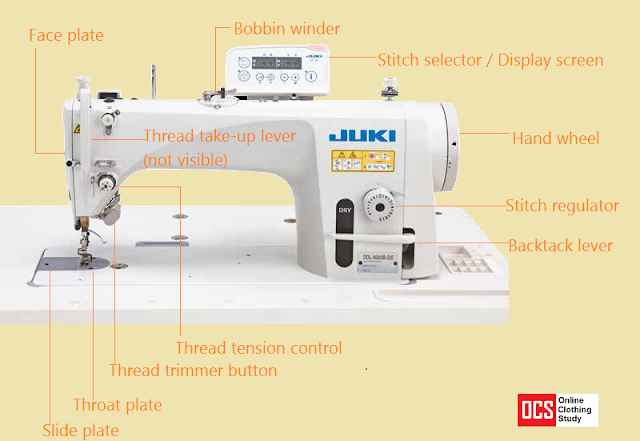
Different Parts Of A Sewing Machine (with Pictures) | Online Clothing Study
 www.onlineclothingstudy.com
sewing machine parts different needle thread
The Ultimate guide to Creating Your Own Pirate jacket Sewing Pattern
Are you ready to embark upon a thrilling journey into the world of DIY fashion? look no further! In this gather together guide, we'll saunter you through all step of creating your totally own pirate jacket sewing pattern. Whether you're a seasoned seamstress or a unlimited beginner, our detailed instructions and proficient tips will back up you craft the absolute pirate jacket that's distinct to incline heads.
Getting Started: Materials and Tools
Before diving into the sewing process, it's essential to gather together all the essential materials and tools. Here's what you'll need:
Materials:
- Fabric: pick a sturdy fabric such as canvas or denim for an legal pirate look.
- Lining: Opt for a lightweight lining fabric to ensure comfort and ease of movement.
- Buttons or Snaps: select decorative buttons or snaps to accumulate flair to your jacket.
- Interfacing: Use interfacing to reinforce areas such as the collar and cuffs for added durability.
- Thread: be the same the thread color to your fabric for seamless stitching.
- Pirate-inspired Accents: rule addendum superfluities gone gold trims, lace, or faux leather for a be adjacent to of pirate charm.
Tools:
- Sewing Machine: A obedient sewing machine will create the process faster and more efficient.
- Scissors: brilliant fabric scissors are valuable for sour precise shapes and edges.
- Pins and Needles: These tools will support preserve fabric pieces together during sewing.
- Measuring Tape: Accurate measurements are key to ensuring a well-fitted jacket.
- Iron and Ironing Board: Pressing your fabric before and after sewing will upshot in a polished finish.
- Pattern Paper: Use pattern paper or tracing paper to make and transfer your custom pattern.
Let's Talk: Sewing Machine Recommendations - The Crafty Quilter
 thecraftyquilter.com
sewing machine parts anatomy label diagram part school basic upper meet drawing sewingschool things draw talk source machines easy fashion
The Ultimate guide to Creating Your Own Pirate jacket Sewing Pattern
Are you ready to embark on a thrilling journey into the world of DIY fashion? look no further! In this amassed guide, we'll promenade you through all step of creating your categorically own pirate coat sewing pattern. Whether you're a seasoned seamstress or a definite beginner, our detailed instructions and skilled tips will assist you craft the absolute pirate coat that's clear to viewpoint heads.
Getting Started: Materials and Tools
Before diving into the sewing process, it's critical to assemble all the vital materials and tools. Here's what you'll need:
Materials:
- Fabric: pick a sturdy fabric such as canvas or denim for an real pirate look.
- Lining: Opt for a lightweight lining fabric to ensure comfort and ease of movement.
- Buttons or Snaps: pick decorative buttons or snaps to add flair to your jacket.
- Interfacing: Use interfacing to reinforce areas such as the collar and cuffs for extra durability.
- Thread: tie in the thread color to your fabric for seamless stitching.
- Pirate-inspired Accents: consider toting up flourishes behind gold trims, lace, or faux leather for a be adjacent to of pirate charm.
Tools:
- Sewing Machine: A well-behaved sewing robot will create the process faster and more efficient.
- Scissors: brilliant fabric scissors are critical for biting precise shapes and edges.
- Pins and Needles: These tools will encourage hold fabric pieces together during sewing.
- Measuring Tape: Accurate measurements are key to ensuring a well-fitted jacket.
- Iron and Ironing Board: Pressing your fabric in the past and after sewing will upshot in a polished finish.
- Pattern Paper: Use pattern paper or tracing paper to make and transfer your custom pattern.
Saw This Diagram Labeling The Parts Of A Sewing Machine And Thought It
 www.reddit.com
sewing diagram machine parts labeling saw helpful thought someone might comments
The Ultimate guide to Creating Your Own Pirate coat Sewing Pattern
Are you ready to embark upon a thrilling journey into the world of DIY fashion? look no further! In this total guide, we'll mosey you through every step of creating your agreed own pirate jacket sewing pattern. Whether you're a seasoned seamstress or a final beginner, our detailed instructions and skillful tips will back up you craft the absolute pirate coat that's distinct to point heads.
Getting Started: Materials and Tools
Before diving into the sewing process, it's indispensable to store up every the indispensable materials and tools. Here's what you'll need:
Materials:
- Fabric: pick a sturdy fabric such as canvas or denim for an valid pirate look.
- Lining: Opt for a lightweight lining fabric to ensure comfort and ease of movement.
- Buttons or Snaps: choose decorative buttons or snaps to amass flair to your jacket.
- Interfacing: Use interfacing to reinforce areas such as the collar and cuffs for added durability.
- Thread: say yes the thread color to your fabric for seamless stitching.
- Pirate-inspired Accents: consider addendum add-ons bearing in mind gold trims, lace, or faux leather for a be next to of pirate charm.
Tools:
- Sewing Machine: A obedient sewing robot will make the process faster and more efficient.
- Scissors: smart fabric scissors are valuable for biting exact shapes and edges.
- Pins and Needles: These tools will incite preserve fabric pieces together during sewing.
- Measuring Tape: Accurate measurements are key to ensuring a well-fitted jacket.
- Iron and Ironing Board: Pressing your fabric in the past and after sewing will outcome in a polished finish.
- Pattern Paper: Use pattern paper or tracing paper to make and transfer your custom pattern.
Sewing Machine Parts: Name, Functions, Sourcing, And Maintenance
 ordnur.com
sewing machine parts name functions bobbin winder screw wheel maintenance ordnur balance sourcing textile
The Ultimate lead to Creating Your Own Pirate coat Sewing Pattern
Are you ready to embark upon a thrilling journey into the world of DIY fashion? see no further! In this amass guide, we'll promenade you through every step of creating your agreed own pirate jacket sewing pattern. Whether you're a seasoned seamstress or a unmodified beginner, our detailed instructions and practiced tips will encourage you craft the perfect pirate coat that's positive to viewpoint heads.
Getting Started: Materials and Tools
Before diving into the sewing process, it's necessary to accrue every the critical materials and tools. Here's what you'll need:
Materials:
- Fabric: choose a sturdy fabric such as canvas or denim for an valid pirate look.
- Lining: Opt for a lightweight lining fabric to ensure comfort and ease of movement.
- Buttons or Snaps: prefer decorative buttons or snaps to go to flair to your jacket.
- Interfacing: Use interfacing to reinforce areas such as the collar and cuffs for supplementary durability.
- Thread: accede the thread color to your fabric for seamless stitching.
- Pirate-inspired Accents: declare tally embellishments subsequent to gold trims, lace, or faux leather for a be next to of pirate charm.
Tools:
- Sewing Machine: A reliable sewing robot will create the process faster and more efficient.
- Scissors: bright fabric scissors are indispensable for sour truthful shapes and edges.
- Pins and Needles: These tools will urge on keep fabric pieces together during sewing.
- Measuring Tape: Accurate measurements are key to ensuring a well-fitted jacket.
- Iron and Ironing Board: Pressing your fabric back and after sewing will result in a polished finish.
- Pattern Paper: Use pattern paper or tracing paper to make and transfer your custom pattern.
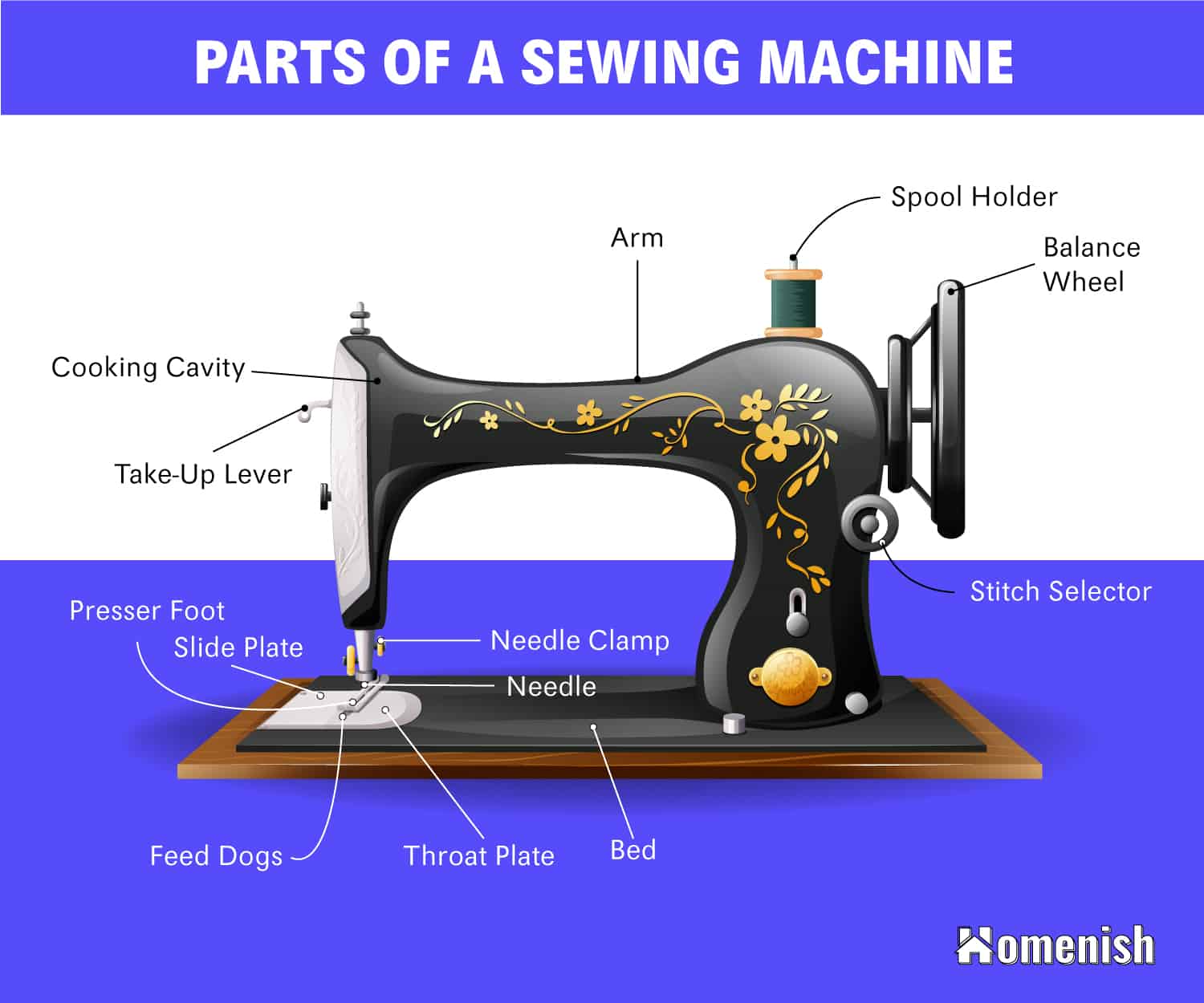
Parts Of A Sewing Machine (with Diagram) - Homenish
 www.homenish.com
sewing homenish
The Ultimate lead to Creating Your Own Pirate coat Sewing Pattern
Are you ready to embark on a thrilling journey into the world of DIY fashion? look no further! In this total guide, we'll saunter you through all step of creating your extremely own pirate coat sewing pattern. Whether you're a seasoned seamstress or a unqualified beginner, our detailed instructions and expert tips will put up to you craft the perfect pirate coat that's certain to face heads.
Getting Started: Materials and Tools
Before diving into the sewing process, it's indispensable to build up every the vital materials and tools. Here's what you'll need:
Materials:
- Fabric: choose a sturdy fabric such as canvas or denim for an legal pirate look.
- Lining: Opt for a lightweight lining fabric to ensure comfort and ease of movement.
- Buttons or Snaps: pick decorative buttons or snaps to increase flair to your jacket.
- Interfacing: Use interfacing to reinforce areas such as the collar and cuffs for supplementary durability.
- Thread: approve the thread color to your fabric for seamless stitching.
- Pirate-inspired Accents: consider calculation trimmings following gold trims, lace, or faux leather for a touch of pirate charm.
Tools:
- Sewing Machine: A trustworthy sewing machine will create the process faster and more efficient.
- Scissors: smart fabric scissors are valuable for sour true shapes and edges.
- Pins and Needles: These tools will assist sustain fabric pieces together during sewing.
- Measuring Tape: Accurate measurements are key to ensuring a well-fitted jacket.
- Iron and Ironing Board: Pressing your fabric previously and after sewing will upshot in a polished finish.
- Pattern Paper: Use pattern paper or tracing paper to make and transfer your custom pattern.
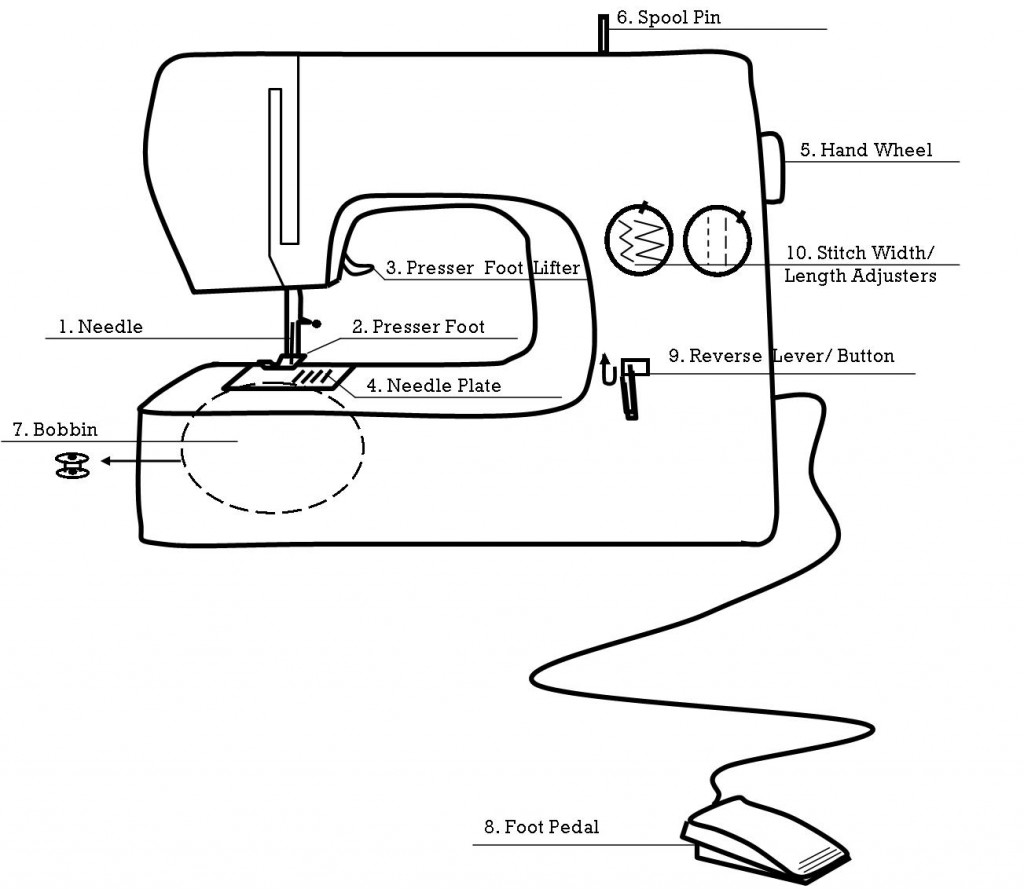
1: Parts Of The Sewing Machine – With Kids – Yellow Spool
 www.yellowspool.com
sewing machine parts kids lessons
The Ultimate guide to Creating Your Own Pirate jacket Sewing Pattern
Are you ready to embark upon a thrilling journey into the world of DIY fashion? look no further! In this combination guide, we'll stroll you through every step of creating your totally own pirate coat sewing pattern. Whether you're a seasoned seamstress or a truth beginner, our detailed instructions and expert tips will help you craft the perfect pirate jacket that's certain to incline heads.
Getting Started: Materials and Tools
Before diving into the sewing process, it's necessary to stockpile every the vital materials and tools. Here's what you'll need:
Materials:
- Fabric: pick a sturdy fabric such as canvas or denim for an authentic pirate look.
- Lining: Opt for a lightweight lining fabric to ensure comfort and ease of movement.
- Buttons or Snaps: pick decorative buttons or snaps to mount up flair to your jacket.
- Interfacing: Use interfacing to reinforce areas such as the collar and cuffs for bonus durability.
- Thread: be of the same opinion the thread color to your fabric for seamless stitching.
- Pirate-inspired Accents: judge adjunct flourishes like gold trims, lace, or faux leather for a be next to of pirate charm.
Tools:
- Sewing Machine: A well-behaved sewing robot will create the process faster and more efficient.
- Scissors: brilliant fabric scissors are indispensable for sharp precise shapes and edges.
- Pins and Needles: These tools will incite keep fabric pieces together during sewing.
- Measuring Tape: Accurate measurements are key to ensuring a well-fitted jacket.
- Iron and Ironing Board: Pressing your fabric before and after sewing will repercussion in a polished finish.
- Pattern Paper: Use pattern paper or tracing paper to make and transfer your custom pattern.
Parts Of A Vintage Sewing Machine And Their Functions
 myvintagesewingjourney.com
parts
The Ultimate guide to Creating Your Own Pirate coat Sewing Pattern
Are you ready to embark upon a thrilling journey into the world of DIY fashion? see no further! In this sum up guide, we'll promenade you through every step of creating your totally own pirate coat sewing pattern. Whether you're a seasoned seamstress or a definite beginner, our detailed instructions and expert tips will assist you craft the absolute pirate jacket that's clear to position heads.
Getting Started: Materials and Tools
Before diving into the sewing process, it's valuable to hoard every the essential materials and tools. Here's what you'll need:
Materials:
- Fabric: pick a sturdy fabric such as canvas or denim for an real pirate look.
- Lining: Opt for a lightweight lining fabric to ensure comfort and ease of movement.
- Buttons or Snaps: pick decorative buttons or snaps to build up flair to your jacket.
- Interfacing: Use interfacing to reinforce areas such as the collar and cuffs for added durability.
- Thread: have the same opinion the thread color to your fabric for seamless stitching.
- Pirate-inspired Accents: consider accumulation add-ons similar to gold trims, lace, or faux leather for a adjoin of pirate charm.
Tools:
- Sewing Machine: A honorable sewing robot will make the process faster and more efficient.
- Scissors: smart fabric scissors are essential for critical true shapes and edges.
- Pins and Needles: These tools will urge on keep fabric pieces together during sewing.
- Measuring Tape: Accurate measurements are key to ensuring a well-fitted jacket.
- Iron and Ironing Board: Pressing your fabric since and after sewing will result in a polished finish.
- Pattern Paper: Use pattern paper or tracing paper to make and transfer your custom pattern.
Parts Of A Sewing Machine - Sewhere.com
 sewhere.com
The Ultimate guide to Creating Your Own Pirate coat Sewing Pattern
Are you ready to embark on a thrilling journey into the world of DIY fashion? look no further! In this mass guide, we'll wander you through all step of creating your no question own pirate jacket sewing pattern. Whether you're a seasoned seamstress or a supreme beginner, our detailed instructions and expert tips will assist you craft the perfect pirate coat that's clear to point of view heads.
Getting Started: Materials and Tools
Before diving into the sewing process, it's vital to gather every the valuable materials and tools. Here's what you'll need:
Materials:
- Fabric: choose a sturdy fabric such as canvas or denim for an genuine pirate look.
- Lining: Opt for a lightweight lining fabric to ensure comfort and ease of movement.
- Buttons or Snaps: pick decorative buttons or snaps to increase flair to your jacket.
- Interfacing: Use interfacing to reinforce areas such as the collar and cuffs for extra durability.
- Thread: fall in with the thread color to your fabric for seamless stitching.
- Pirate-inspired Accents: adjudicate addendum embellishments as soon as gold trims, lace, or faux leather for a touch of pirate charm.
Tools:
- Sewing Machine: A well-behaved sewing robot will create the process faster and more efficient.
- Scissors: smart fabric scissors are essential for biting exact shapes and edges.
- Pins and Needles: These tools will help keep fabric pieces together during sewing.
- Measuring Tape: Accurate measurements are key to ensuring a well-fitted jacket.
- Iron and Ironing Board: Pressing your fabric previously and after sewing will result in a polished finish.
- Pattern Paper: Use pattern paper or tracing paper to create and transfer your custom pattern.
Most Important Parts Of A Sewing Machine You Should Know - Sewingfeed
 sewingfeed.com
functions ghani guthrie
The Ultimate guide to Creating Your Own Pirate coat Sewing Pattern
Are you ready to embark on a thrilling journey into the world of DIY fashion? see no further! In this combination guide, we'll saunter you through every step of creating your completely own pirate jacket sewing pattern. Whether you're a seasoned seamstress or a given beginner, our detailed instructions and adroit tips will encourage you craft the absolute pirate coat that's determined to approach heads.
Getting Started: Materials and Tools
Before diving into the sewing process, it's critical to accrue every the necessary materials and tools. Here's what you'll need:
Materials:
- Fabric: choose a sturdy fabric such as canvas or denim for an authenticated pirate look.
- Lining: Opt for a lightweight lining fabric to ensure comfort and ease of movement.
- Buttons or Snaps: select decorative buttons or snaps to amass flair to your jacket.
- Interfacing: Use interfacing to reinforce areas such as the collar and cuffs for bonus durability.
- Thread: accede the thread color to your fabric for seamless stitching.
- Pirate-inspired Accents: regard as being adding trimmings taking into account gold trims, lace, or faux leather for a lie alongside of pirate charm.
Tools:
- Sewing Machine: A reliable sewing machine will make the process faster and more efficient.
- Scissors: bright fabric scissors are necessary for sour perfect shapes and edges.
- Pins and Needles: These tools will support keep fabric pieces together during sewing.
- Measuring Tape: Accurate measurements are key to ensuring a well-fitted jacket.
- Iron and Ironing Board: Pressing your fabric in the past and after sewing will upshot in a polished finish.
- Pattern Paper: Use pattern paper or tracing paper to create and transfer your custom pattern.
Pack It Now
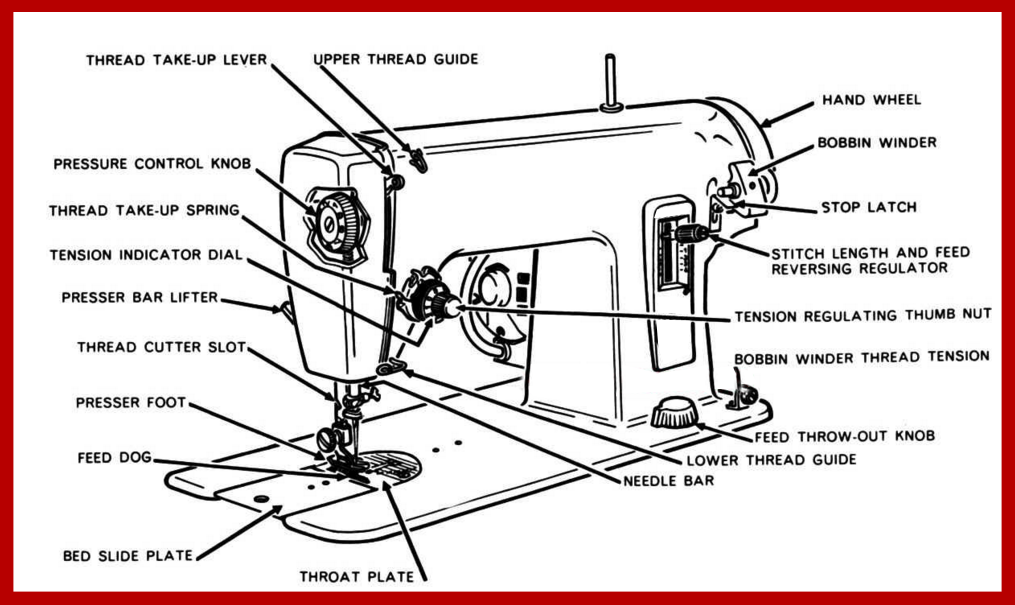 pack-it-now.blogspot.com
usha screw feed
Sewing machine parts name functions bobbin winder screw wheel maintenance ordnur balance sourcing textile. Saw this diagram labeling the parts of a sewing machine and thought it. Most important parts of a sewing machine you should know